The road you drive from Ashford to Paradise follows more than a century of mountain history. The Nisqually corridor is the oldest developed approach to Mount Rainier, and its story is woven from Indigenous homelands, pioneer enterprise, and the birth of the national park idea in the Pacific Northwest.
An Ancient Mountain
Long before it was a park, the mountain was — and remains — deeply significant to the Coast Salish peoples of the region, including the Nisqually and Puyallup, who knew it by names such as Tahoma. The Nisqually River, which the highway parallels, carries the mountain's glacial meltwater to Puget Sound and gave the gateway its name.
The Fifth National Park
Mount Rainier was established as a national park on March 2, 1899 — the fifth in the nation — protecting its glaciers, old-growth forests and meadows. The push to preserve the mountain drew scientists and mountaineers who recognized its rare concentration of glaciers on a single peak in the contiguous United States. Today Mount Rainier is designated a Decade Volcano by geologists for study, a reminder that it is an active, if quiet, giant. The National Park Service history pages detail this story in depth.
Longmire & the Mineral Springs
In the 1880s, pioneer James Longmire found mineral springs in the meadow that still bears his name, and built a modest springs resort that drew early visitors. Longmire became the park's first hub — home to its early headquarters, a museum, and lodging — and is now a National Historic Landmark District. The easy Trail of the Shadows still loops past the springs and a preserved pioneer cabin.
The Road to Paradise
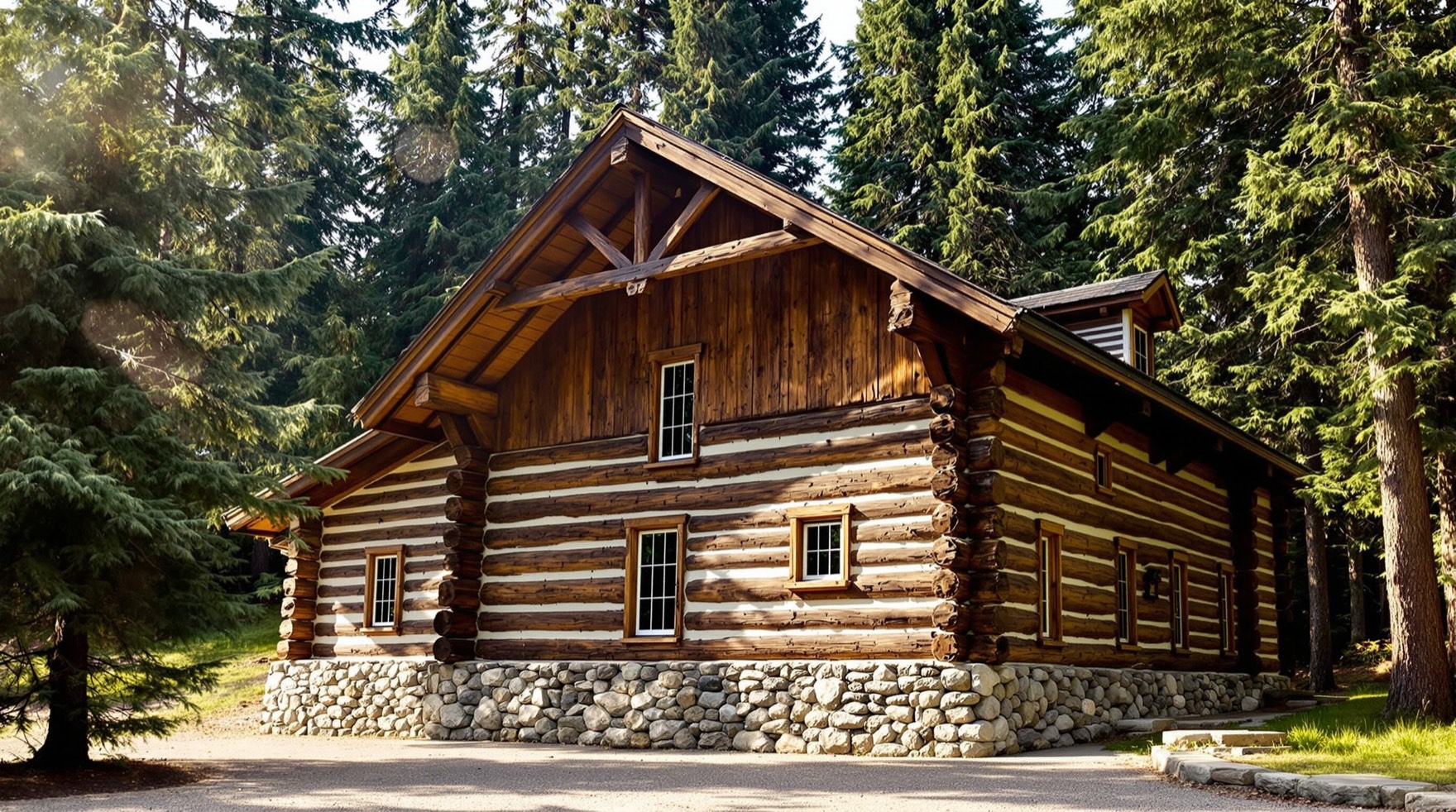
The historic road up to Paradise, engineered in the early 1900s to blend with the landscape, opened the high meadows to generations of travelers. The rustic log-and-stone architecture of the era — including the grand Paradise Inn of 1917 — defined a Northwest "parkitecture" style admired to this day. The log entrance arch at Nisqually has welcomed visitors since the park's early decades.
The Ashford Gateway
The small community of Ashford, just outside the entrance, grew up as a gateway — a place of lodges, cabins, outfitters and travelers' services supporting trips into the park. That role continues today, making the Nisqually side both the most historic and the most accessible approach to the mountain.
Visit the History
You can walk much of this story on foot: the Longmire museum, the Trail of the Shadows, and the historic inns are all reachable from a Nisqually-area base. Pair a history morning with an afternoon on the trails or a drive to the waterfalls. For deeper reading, HistoryLink's Mount Rainier National Park essay is a well-sourced overview.